In the modern tech landscape, the line between "Engineer" and "Product Manager" is blurring. We are seeing the rise of the Product Engineer—a developer who cares as much about the why as the how.
For a long time, the software development lifecycle was a game of telephone. Product defines requirements, Design draws the UI, and Engineering builds it. This siloed approach often leads to features that work technically but fail to solve the user's actual problem.
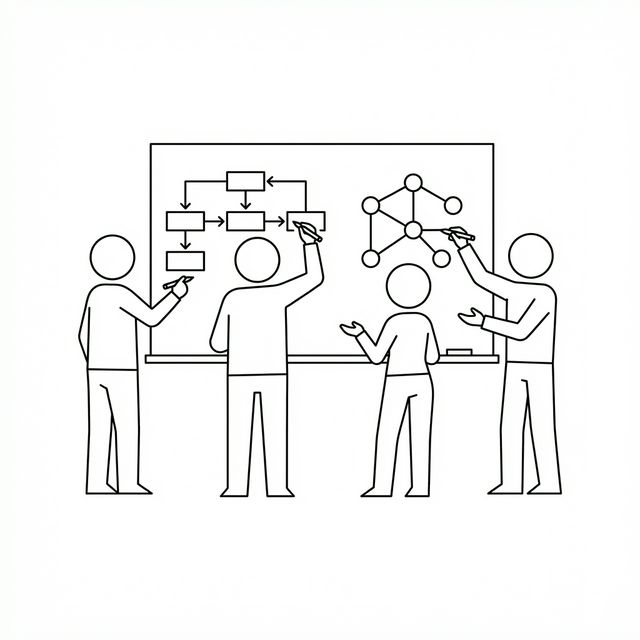
The Gap Between Code and Value
A "Code Monkey" takes a ticket and closes it. A Product Engineer asks: "Does this actually help the user?"
When I was building features for Technosthala, I realized that writing the cleanest React component didn't matter if the school administrators found the workflow confusing. I had to step out of VS Code and step into the shoes of a registrar managing fee collections.
Characteristics of a Product Engineer
- User Empathy: You understand who uses your software and the pain points they face.
- Trade-off Management: You know when to incur technical debt to ship faster and test a hypothesis.
- Data-Driven: You don't just ship and forget; you look at analytics (PostHog, Mixpanel) to see if the feature is being used.
- Communication: You can explain technical constraints to non-technical stakeholders without jargon.
Why It Matters
Companies, especially startups, crave engineers who can operate autonomously. If you can take a vague business problem—"We need to increase user retention"—and translate that into a technical roadmap, you become indispensable.
To transition into this mindset, start asking questions in your next sprint planning. Ask "Why are we building this?" and "How will we measure success?". The answers might surprise you.